Cuba | Exploring Cuba with NRF of Wisconsin



About this trip

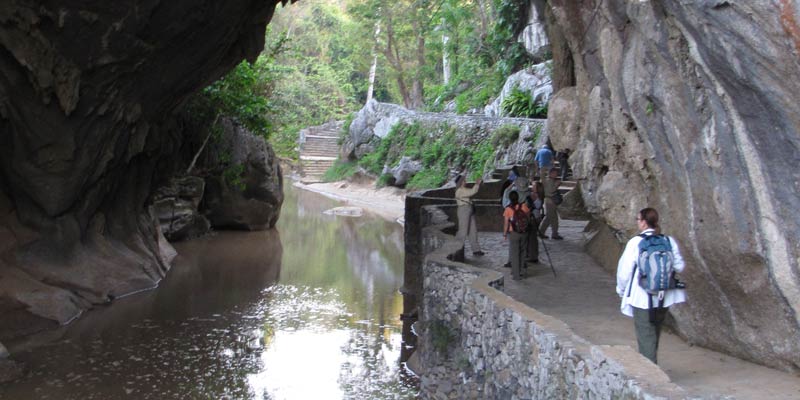
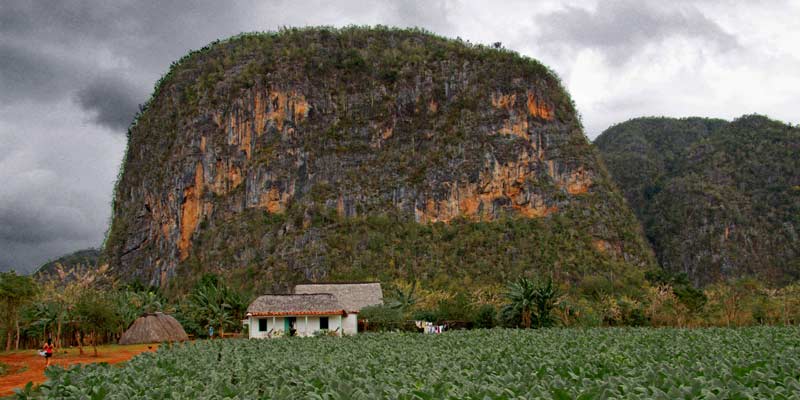
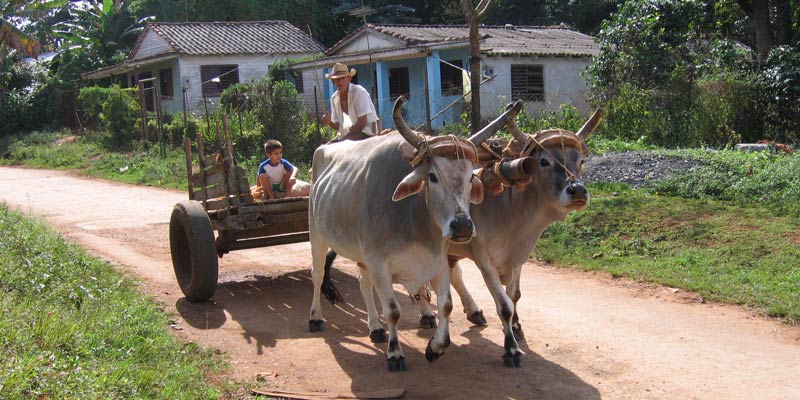
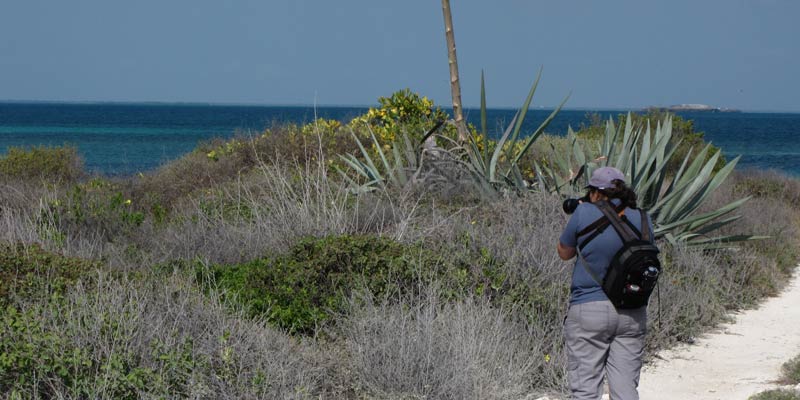
Cuba isn’t just home to a vibrant culture with colonial charm, but also to a plethora of natural resources from unique mogotes, wetlands rich in biodiversity, and miles of coastline with pristine water. On this enriching 9-day program packed with exploration and educational tours, travelers will have the opportunity to experience all the alluring aspects of Cuba’s cultural, historical, and ecological riches, making it a remarkable and memorable destination.
Highlights
- Roam the cobblestone streets of Old Havana, visiting monuments and landmarks such as Plaza de Armas, Plaza de la Catedral, and Plaza Vieja.
- Meet a specialist from the Cuban Marine Research Center to learn about Cuban turtles and the country’s conservation program.
- Visit a tobacco farm and the home of Nils Navarro, an accomplished naturalist and artist.
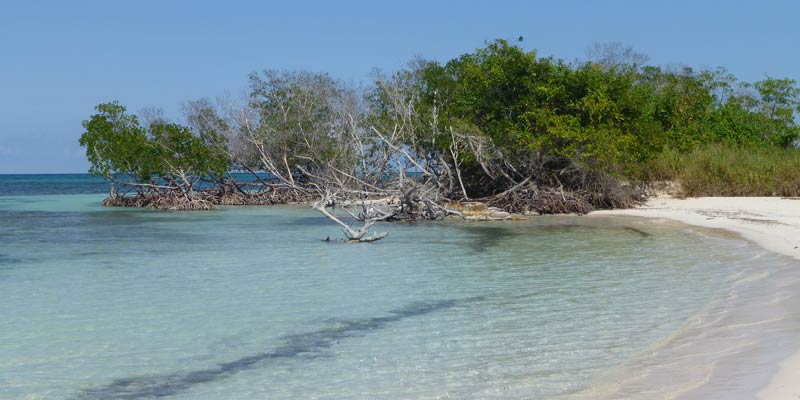
- Journey to the coast, and discover Cuban life away from the city. Visit Cayo Jutías, a beautiful playa with turquoise water.
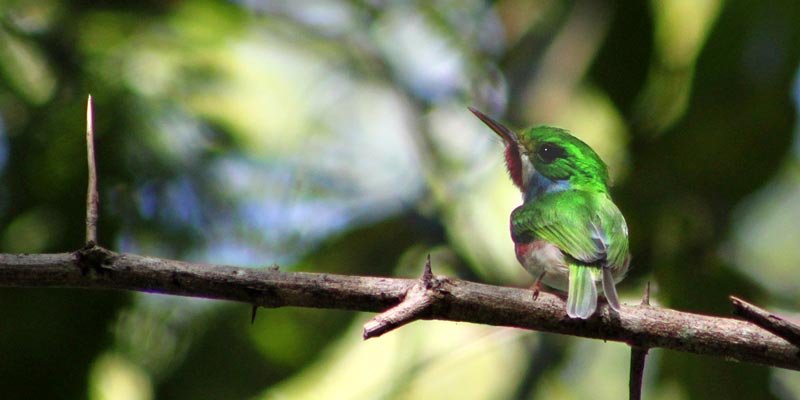
- Travel to Zapata Peninsula, and observe a vast variety of flora and fauna in one of the most remote regions of Cuba.
$3,025
Per person
About this price
Land cost only. Does not include round-trip airfare to and from destination.
Single room supplement $270
What makes us different

Wildlife up-close

Service anytime

Sustainable travel

Low stress travel planning

Support local communities

Flight arrangements
Daily Itinerary
Print ItineraryHavana
Havana
Zapata Swamp
Zapata Swamp
La Víbora
Viñales
Viñales
Havana
Farewell!
Pricing
Print Pricing$3,025
Per person
About this price
Land cost only. Does not include round-trip airfare to and from destination.
Single room supplement $270
What's Included
- Activities and meals as mentioned in itinerary
- Arrival and departure transfers based on individual flight schedules
- Water refill station during transfers
- Carbon Offset
- Cuban tourist visa ($65.00)
- Full time guide for the duration of your program
- Non alcoholic beverage with meals
What's Not Included
- International airfare
- Items of personal nature
- Gratuities
Pricing Details
A $200 per person deposit and enrollment form is due to hold your space on this trip. This deposit is refundable 95 days prior to departure. Cancellations after this date will result in loss of full deposit.
Please note: Your participation as a traveler indicates acceptance of Holbrook Travel’s Covid-19 protocols in place at time of travel.
Holbrook Travel includes post-departure emergency and evacuation Travel Protection for all participants. We strongly recommend that you purchase Trip Cancellation insurance or Cancel for Any Reason (CFAR) coverage at an additional cost. We offer a discounted Optional Plan to upgrade to include Trip Cancellation/Interruption or CFAR coverage. If you plan to purchase CFAR, please note it must be purchased within 14 days of your initial deposit. Coverage may vary and not all coverage is available in every jurisdiction. For more information on pricing and coverage, see our Group Travel Protection Plan.
Single room supplement $270
Final payment due date: August 30, 2022
Travel Info
Print Travel InfoEntry & Exit Requirements
U.S. citizens need a valid passport and a tourist card/visa to enter Cuba. Passports must be valid at least six months after the date of entry.
Holbrook Travel will purchase and provide tourist cards/visas. Please keep your tourist card/visa with your passport, as it will need to be returned to the Cuban authorities when departing Havana.
Health Information
IMMUNIZATIONS
The Centers for Disease Control recommends that all travelers be up to date on routine vaccinations such as measles-mumps-rubella (MMR) vaccine, diphtheria-pertussis-tetanus vaccine, varicella (chicken pox) vaccine, and your yearly flu shot before every trip.
There are no vaccinations required for entry into Cuba, unless you are traveling from an endemic yellow fever area within six weeks prior to entry. The CDC recommends hepatitis A and typhoid vaccines for most travelers to Cuba.
Please consult your physician for additional information and recommendations based on your individual circumstances.
ZIKA VIRUS
Locally transmitted cases of Zika virus have been reported in Cuba. Local transmission means that mosquitoes in the area have been infected with Zika and are spreading it to people. The CDC recommends that travelers to Cuba protect themselves from mosquito bites. As a precaution, the CDC advises women who are pregnant to consider postponing travel to any area where Zika virus transmission is ongoing.
SUN EXPOSURE
The effects of the sun can be damaging to the eyes and skin. Spending time outdoors exposes you to the sun’s harmful ultraviolet (UV) rays, even on cloudy days. To protect yourself from the sun, use a broad spectrum sunscreen of at least SPF 15, protect skin with clothing, wear a wide-brimmed hat and sunglasses, and drink plenty of fluids.
Resources
Print ResourcesPacking Recommendations
Everyone has personal preferences when it comes to packing; for this reason, the information below is offered as a general guide and not a definitive list. You know yourself best: Use your discretion and pack what you think will serve you, based on your personal preferences and specific itinerary.
You may find many of the items below in our Gear Store.
CLOTHING
Casual, comfortable clothing is suitable for most activities. You may wish to bring a slightly nicer outfit or two (eg sundress, polo shirt) if your itinerary includes dinners out or more formal activities.
Bring enough clothing suitable for the length of your program. If you plan to hand-wash items, remember that humidity may delay drying time.
Pack clothing that can be worn in layers to adapt to weather changes throughout the day. Clothing that wicks away moisture and dries quickly is recommended.
- A combination of short-sleeved and lightweight, long-sleeved shirts for sun and mosquito protection
- Shorts/skirts/sundresses
- Lightweight, quick-drying long pants for sun and mosquito protection; jeans tend to be uncomfortable in hot and humid conditions.
- Undergarments
- Sleepwear
- Lightweight jacket or sweater/sweatshirt
- 1-2 bathing suit(s) for the beach, if applicable
- Socks – Bring extra pairs.
- Shoes – Consider your specific itinerary when choosing footwear. For most programs, you’ll likely want at least one pair of comfortable, closed-toe walking or hiking shoes suitable for forest hikes and walking over cobblestones or other uneven terrain. Sturdier hiking boots may be appropriate for more rugged itineraries. In addition, many participants opt for a pair of sturdy sport-strap sandals (e.g. Keens, Tevas, or similar) and/or casual flip-flops or sandals. If you’re visiting the beach, you may also want a pair of aqua socks, reef walkers, or water shoes.
- Lightweight rain jacket, hooded poncho, and/or windbreaker
- Visor or wide-brimmed sun hat
- Bandana, scarf, or Buff-style headwear
Personal Toiletries
Pack toiletries based on your personal preferences and habits. Below are just a few recommendations to keep in mind.
- Shampoo, conditioner, lotion, deodorant/antiperspirant , etc. – If possible, avoid strong fragrances if you are sensitive to insect bites and to be considerate of your fellow travelers.
- Soap and washcloth or a small, quick-drying microfiber towel – Washcloths are not standard in all hotels. If you normally use a washcloth, you may wish to bring one from home.
- Hairbrush, comb, hair ties, shower cap. Most—but not all—hotel rooms provide a hair dryer, but you may wish to bring one from home.
- Toothbrush and toothpaste
- Razor
- Ear plugs, especially if you are a light sleeper
- Feminine hygiene products
- Insect repellent with DEET or picaridin (see note below about treating clothing with permethrin)
- Sunscreen and lip balm with SPF – If you’ll be in the ocean, we recommend reef-safe sunscreen.
- Aloe vera gel
- A travel pack of tissues – also useful as napkins or toilet paper if needed (note: toilet paper is not always provided in public restrooms)
In addition to your personal toiletries, it is useful to pack a small medical kit, which you can easily prepare. Helpful items might include: bandages, antihistamine, a pain reliever, motion sickness and/or altitude sickness medication (if you are prone to either), anti-diarrhea medicine, individually wrapped pre-moistened towelettes and/or hand sanitizer, antibiotic ointment, anti-fungal cream, moleskin for blisters, eye drops, tweezers, a mini sewing kit, and an extra pair of disposable contact lenses or eyeglasses if you wear them.
Days before you leave home, you may wish to consider spraying any clothing, socks, and shoes that will be worn in lowland, tropical sites with permethrin, an anti-parasite medication, to repel irritating pests and prevent the spread of disease. A recommended brand is Sawyer. Carefully read all instructions before use. Please note permethrin is highly toxic to cats and fish, and some aerosol products may be harmful to birds. Side effects may include minor itching, burning, or redness. You may want to use a laundry marker to label and keep track of which socks are permethrinized. Only one application per item is necessary; permethrin on treated clothes remains effective through several washings. Permethrin should NOT be applied directly to skin.
Miscellaneous
Remember to pack valuables such as your passport, cash/credit cards, and medications in your carry-on luggage.
- Passport, tourist card/visa, and photocopies of all travel documentation
- Personal insurance card and travel insurance information
- Money – Cash; small bills in good condition are recommended. Note: Credit or debit cards that are drawn against accounts in the United States cannot be used in Cuba. Therefore, it is important to estimate the amount of cash that is necessary for travel.
- Prescription medicines (if applicable), with a copy of the prescription
- Yellow fever certificate (if required; only if arriving from a country where yellow fever transmission is a risk)
- Sunglasses with strap
- Small day pack for hikes and excursions
- Flashlight and/or head lamp
- Travel alarm clock or inexpensive waterproof wristwatch with alarm – Not all hotels provide alarm clocks.
- A pocket calculator or cell phone to assist with conversions and currency exchange
- Binoculars with lens cleaner
- Camera and related equipment, such as charger, lenses, and extra memory cards
- Reusable water bottle
- Non-perishable snacks
- Pocket-knife or multipurpose tool - Pack in your checked luggage
- Zip-top style bags – useful for packing toiletries, sorting clothing, storing damp or muddy shoes, or as a dry bag for protecting electronics
- Notepad or travel journal and pen
- Music or reading material for down time, long bus drives, or on the airplane, and a portable bright light to read by
- Collapsible walking stick with rubber tip
- A small quantity of laundry detergent if you’ll be washing clothing by hand
- Travel-size umbrella – Some people find this unwieldy to carry, while others find it offers better protection than a rain jacket alone.
- Money belt
- Chargers for electronics

Questions?
Contact Debbie Jordan at 866-748-6146 or debbie@holbrooktravel.com
Want to subscribe to the Holbrook Explorer?

Protecting turtles that are "Too Rare to Wear"

Books to Read Before You Travel to Cuba
